
A Senior’s Guide to Staying Active and Safe While Walking Dogs
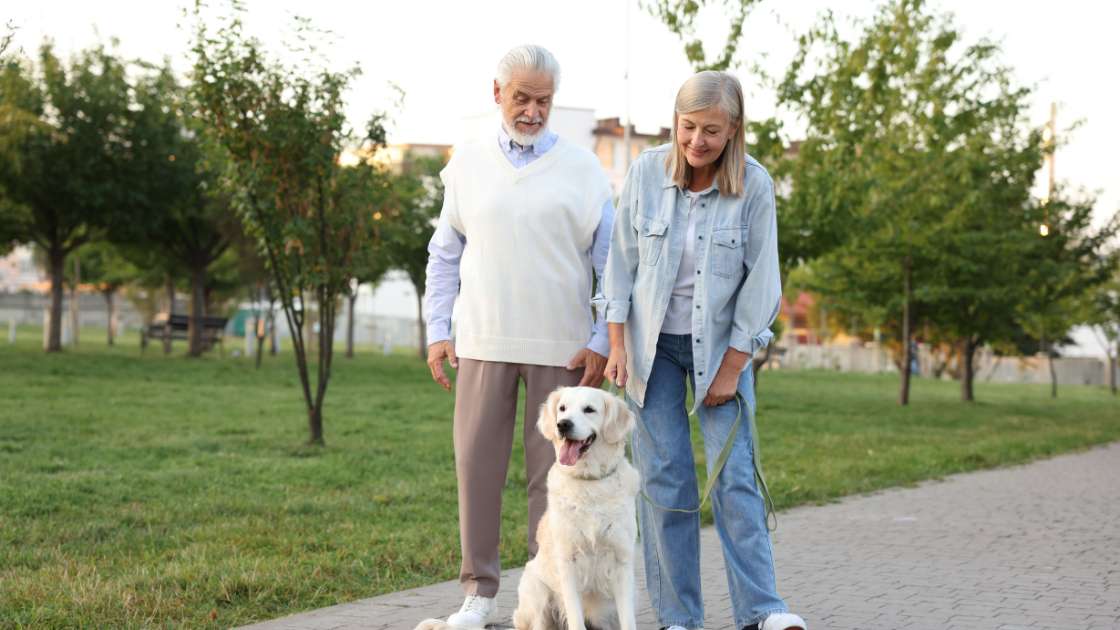
According to the American Humane Society, half of adults over the age of 50 have at least one pet! This is heartwarming news because studies have shown that pets improve seniors’ overall well-being. Physical health has been shown to improve, specifically the lowering of both blood pressure and cholesterol. Plus, pets tend to encourage more exercise and walking in nature – both have been proven to improve our cognitive functioning. It does not stop with physical fitness, either; our furry roommates also improve our mental health, with studies showing reduced depression and increased socialization.
Benefits of Pet Ownership
Pets provide a plethora of benefits that can make life brighter, happier, and healthier. And let's not forget about all that extra exercise! Pets get us moving, whether it's a leisurely walk in the park or a playful romp in the backyard. All that activity not only boosts seniors' physical health, but it can also sharpen their minds. Traditions Management communities are pet-friendly for this very reason. Here are some tips to stay safe and active with your furry friend!
Stay Alert on Walks
Walking is an essential tool for seniors to remain active and healthy. Having a dog to walk can help encourage this important activity. Unfortunately, sidewalks can be unpredictable. Our partners at 360 Wellness recommend when walking your dog, keep an eye out for:
- Cracks or raised edges
- Uneven pavement
- Icy patches
- Loose gravel or wet leaves
A single misstep can lead to a fall, so choosing smooth, well lit, and well-maintained walking paths makes a big difference.
Choose the Right Leash (Hint: Shorter Is Safer)
Selecting a leash that’s 4–6 feet long is ideal for safely walking your dog. This length leash keeps your dog close enough for control, reduces the risk of tripping, and helps prevent sudden pulling or darting
We recommend you avoid retractable leashes. They may seem convenient, but they come with risks including:
- Thin cords can wrap around legs or objects
- The locking button requires quick hand-eye coordination
- Arthritis or reduced grip strength can make them difficult to control
A sturdy, non‑retractable leash is the safest choice for most seniors.
What to Do If Your Dog Starts to Pull
Even the best trained dogs get excited. If they see another dog, another human, a squirrel, the mailperson, or even a stray blowing leaf they can quickly lose pace and become distracted. If your dog suddenly pulls:
- Stop walking immediately
- Widen your stance for stability
- Bend your knees slightly
- Hold the leash close to your body
- Never wrap the leash around your hand or wrist
This posture lowers your center of gravity and helps prevent falls or injuries.
Safe Ways to Bend for Pet Cleanup
Whether picking up after a dog or scooping kitty litter, bending the wrong way can strain your back or hips and lead to falls or injury.
Try these instead:
- Squat rather than bending from the waist
- Use a supported lunge if squatting is difficult
- Consider long handled scoopers for litter boxes or outdoor cleanup
- Use raised food and water bowls to reduce bending throughout the day
Small adjustments can make daily pet care much easier on your body.
Additional Safety Tips for Pet Loving Seniors
Here are a few extra recommendations that can make life with pets even safer:
- Teach basic obedience commands like “sit” and “stay”
- Keep toys picked up to avoid tripping
- Place food and water bowls out of walkways
- Walk during daylight hours for better visibility
- Choose pet supplies that reduce bending and strain
These small steps help create a safer home for both you and your pet.
Wrap Up
Pets enrich our lives in countless ways. They provide companionship, routine, laughter, and love. With a few simple safety tips, seniors can continue enjoying the benefits of pet ownership while staying confident and secure.
Related Posts